An Update on the Changing Price and Availability of Steel

Last Updated: October 15, 2021

Like many other building materials, steel is experiencing an ongoing period of fluctuation in price and availability. In an ongoing effort to keep our customers informed of recent market changes, we will be keeping this webpage up to date as any new developments arise.

If you have any questions or concerns about a potential or ongoing building project with Norsteel Buildings, please reach out to us directly and we will provide more details.

What is Causing the Price of Steel to Rise?

In the early days of the COVID-19 pandemic, steel mills around the world temporarily shut down production. At the time, many were expecting the economy to head into a recession or even a global economic depression, so production was tempered in expectation of this.

However, the drop-off in demand that many predicted never came. Instead, as millions around the world were forced to stay indoors many took to upgrading their homes. Funds that once would have been spent on travel and entertainment were instead funneled into new vehicles, barbecues, refrigerators, and other steel-heavy products like pre-engineered garages and workshops.

This temporary halt in production coupled with the increased demand for steel products caught the entire industry off-guard. As a result, since the beginning of the pandemic in March 2020 the price of steel has been steadily increasing; the benchmark price of steel has risen a staggering 215% since the beginning of the pandemic.

What is Causing Delays?

There are three main factors contributing to the lengthening of steel building project timelines, all of which stem from a lack of supply: supply chain shortages, logistics and transportation shortages, and labour shortages.

Supply Chain

  • Particular metal alloys – specifically G30 secondary material – have been in short supply and mills have placed customers on allocation. Norsteel is working with multiple suppliers to minimize the impact of this supply shortage. 
  • Galvalume® panel material – which is used for roofing – has been in particularly short supply across the industry as suppliers are facing record demand.
  • Painted material and primer paint supply is limited as our suppliers experience key ingredient shortages. These shortages have led to missed/late shipments which in turn impacts our project timelines. Norsteel is working with multiple suppliers to reduce the impact of this shortage, and many of our suppliers are investigating alternative paint systems and ingredients.
  • Liquid oxygen and argon gases are both used in the plasma cutting process for steel components. Across the entirety of the economy, liquid oxygen supplies are being redirected from industrial use to hospitals for medical use in the treatment of COVID-19. In addition, Hurricane Ida has damaged argon gas production facilities along the Gulf Coast, which is causing a slowdown in production.

Logistics

  • Norsteel’s fleet of delivery vehicles continue to operate effectively and on-time, but some of our suppliers are facing issues related to logistics. Driver availability, limited supply of trucks, and last-minute carrier cancellations and/or driver no-shows is impacting our suppliers’ ability to deliver materials on time.

Labour

  • Many steel manufacturers around the globe are experiencing higher absenteeism because of COVID-19. This, combined with high demand for workers across the economy, is impacting many manufacturers’ ability to maximize their effective output of steel components.

What This Means for You

We are currently helping customers plan for mid-2022 building deliveries. If your building is a something you need to have in 2022, you absolutely should be purchasing a building now.

This is not a sales tactic; it is the current reality of the industry.

We recommend that you reach out to us as soon as possible and begin speaking with one of our Building Consultants. We will provide your engineered drawings now so that you obtain building permits in a timely manner that will not hinder the construction phase of your project next year. We are also advising our customers to prepare their foundations now so their buildings can be assembled as soon as they arrive.

Regardless of what stage your project is in, we assure you that our team is working tirelessly to find you the best solution, the best pricing, and the best delivery times possible

  • If you are considering a purchase, please make sure you are speaking with one of our expert Building Consultants regularly to check the status of your building quotation. Depending on how long ago you received your quote, the cost of your project may have changed.
  • If you have already purchased a Norsteel Building, depending on the complexity of your project, it could take anywhere from 4 to 12 weeks to receive your engineered drawings. Our EasyBuild structures are the exception with permit drawings available in 2 weeks’ time. Regarding delivery times, please keep in contact with your Norsteel Consultant for up-to-date information.

Norsteel’s Commitment

At Norsteel, we are working tirelessly to keep our customers and contacts up to date on the changing market conditions. We have already provided four updates via email but moving forward we will also update this article with any new information that becomes available.

Again, please reach out to us directly at (866) 971-7575 if you have any questions or concerns. Norsteel has several manufacturing plants at our disposal, and our team will work with you to minimize costs and timeline impacts as a result of these broader market circumstances.

An Overview of Metal Building Insulation

If you’re thinking about insulating your metal building or structure, there are a few factors to consider. You know you want to keep the cool air in during the summer, and the warm air in during the winter, but what kind of insulation should you use? Do you need a vapour barrier? And just what is an R-value?

Norsteel has enlisted the help of metal building insulation-expert, Robert Tiffin, National Accounts Manager for the industry-leading insulation manufacturer Silvercote, to help describe some of the common forms of metal building insulation. Continue reading below for an overview of everything you need to know when it comes to insulating your metal building.

What is Insulation?

Insulation is any material used to cover, line, or separate which also prevents or reduces the passage, transfer, or leakage of heat, electricity, or sound. There are many types of insulation available on the market, but depending on your local energy codes and the intended use of your structure, you may be forced to use a particular form of insulation.

There are four main types of insulation used in metal building structures:

  • Glass wool (aka Fiberglass);
  • Mineral wool;
  • Spray foam (check with metal building manufacturer on whether your structure can accommodate this form of insulation);
  • Polyisocyanurate (sometimes called “Poly-iso”) rigid board insulation.
Fiberglass insulation with a foil facing.

As mentioned, depending on compliance requirements in your specific climate zone, municipal or regional codes may call for combinations of insulation products including faced glass wool and poly-iso rigid board. If the use of rigid board is cost-prohibitive there are alternative assemblies which meet the requirements of the standard/code.

What is Facing?

Put simply, facings are barriers which are attached to insulation to protect the surface of the insulation, hold it together, or act as a vapour retarder (see image above of fiberglass insulation with a foil facing).

Most commonly however, manufacturers attach a facing to act as a vapour barrier and/or air barrier. Facings are engineered to protect insulation from physical abuse, control moisture migration, and where necessary to meet fire codes and standards. Vapour retarders can be composed of vinyl, polypropylene, polyethylene, foil, or metalized polyester.

Why Insulate My Metal Building?

In simple terms, insulating your metal building will help keep the heated interior space warmer in the winter, and air-conditioned spaces cooler in the summer. Regardless of where you live, if you plan on using your metal building for human occupancy of any kind, it is generally recommended that you insulate your strcuture.

Here are just a few potential benefits that come from insulating your metal building:

  • Insulation reduces energy costs (in a conditioned building);
  • Insulation prevents moisture condensation. When temperature and dew-point are at the right combination, you will have condensation build up on your building’s roof and walls. This could result in water raining down in your building;
  • Insulation helps with acoustical performance, reducing noise levels. Most forms of insulation have acoustical and sound absorption properties which reduce interior reverberations and prevent transmission from exterior;
  • Insulation helps maximize your return on investment (ROI). The insulation acts as a barrier between metals, that in the presence of condensation could otherwise lead to rusting.
Mineral wool insulation.
Spray foam insulation.
Poly-iso board insulation.

Oh, and What is an R-Value?

R-value refers to the ability of the insulation to resist thermal transmission (conductive heat flow). The higher the R-value, the greater the insulating effectiveness.

Single and multi-layer faced and unfaced cavity fill glass wool is the most typical seen in conventional construction. (R2.9 – R3.8 per inch (25.4 mm)). By far the most common type of insulation sold for prefab Steel building systems, is fiberglass laminated blanket insulation. Easy to install and cost effective, blanket insulation is available in several R-Values for both roof and walls.

Mineral wool is primarily composed of basalt (volcanic/igneous rock), and commonly used in fire-rated wall assemblies.  It has a higher R-value per inch than glass wool. (R3.0 – R3.3 per inch (25.4 mm)).

Poly-Iso board has a high R-value per inch so is good for use when needing a consistent, uncompressed or continuous insulation where limited space is available. (R6.2 per inch (25.4 mm)).

Spray foam insulation materials can be sprayed, foamed-in-place, injected, or poured. Foam-in-place insulation is blown into wall cavities to insulate and reduce air leakage. Some installations can yield a higher R-value than traditional insulation for the same thickness, and can fill even the smallest cavities, creating an effective air barrier. (R3.6 – R4.3 per inch (25.4 mm)).

Speak with your metal building manufacturer for their recommendations, as factors such as energy codes, cost, installation techniques should all be considered before making your decision.

Contact Norsteel Today!

Today’s Pre-engineered steel buildings are energy efficient by design, engineering and construction. They are used for a multitude of unlimited purposes. This dictates that every prefab metal building system has individual requirements in terms of insulation. Pre-engineered metal buildings are compatible with several insulation options. All of these increase thermal efficiency and provide sound resistance.

Whether you are only interested in accounting for condensation, or whether you are heating a retail outlet or restaurant; it is important to discuss your heating and cooling requirements with your Norsteel Building consultant so that you can explore all the options available to you.

If you’re considering insulating your metal building, you need a team of experts who can help navigate functionality, costs, and local building requirements. When you engage Norsteel we become your partner throughout the entire construction process. Click here to contact us today for a free, no obligation quote on your next building project!

The Complete Guide to Steel Building Foundation Design

Before the 18th century, there were two types of metals that were commonly used. These were wrought iron and cast iron. Though steel was available, it was recognized as a premium material which was very expensive.

However, at the beginning of the 18th century, people realized the strength and cost-effectiveness of using steel for construction. The whole world seized this as an opportunity to use steel as an optimal material for building.

The Complete Guide to Steel Building Foundation Design

It is not surprising today that steel is widely used as the core material when building foundation design. Steel building foundation designs provide quick construction and cost savings. They allow endless possibilities for customization. 

These customizations of steel building provide unique benefits to every industry-specific purpose. Below-mentioned are the guidelines that can help you to customize your steel building design options.

Size

When it comes to sizes, there are no standard sizes for steel or metal buildings. You can design every steel building as per your preferences and choices. To know how much square footage of steel you will need, you will have to simply measure it.

Take your time and measure all the aspects that would be a part of the building. This includes measuring the equipment, machine, and office space you will need. When you do this with precision, you will be able to build a building wherein everything fits spaciously.

Quality

There are many suppliers of steel in the steel building industry. Whereas most buyers focus on buying material that is the cheapest, that might not work well for the steel foundation types that last long.

Comparing prices is of course vital as you want to ensure that you are getting a fair market value. However, choosing the cheapest material is not a good option. When the quality is sub-standard or compromised, the building will not be durable.

Height

Steel or metal buildings are usually low-rise and can be used for building one or two-story buildings. Though the standard range for steel building height is 40’, it can at times go even higher. Many city laws give clearances when you want the building to be higher.

The metal building foundation details will require additional planning if you want to construct higher buildings. When considering the height of the building, you should determine how you plan to use the building in the present as well as if any expansions will be needed in the future.

Window, Lighting, and Doors

As with any type of structure, steel building foundation design should include adequate ways of lighting. To be able to easily perform the tasks that your building is built for, there should be the correct number of windows and light fixtures.

When you install properly insulated windows, it can help to reduce utility costs. This is because such windows can help provide proper ventilation and natural light. A steel building can easily be customized to install windows anywhere.

As for the doors, your steel building foundation design should include them in a sensible and convenient location. You will need to put doors in for entry and exit as well as for emergency exit.

Weather Proofing

Inspect the local weather conditions around your steel building design. If the weather conditions are too unpredictable, then you will have to prepare in advance to accommodate them. The same goes if the prospective area is often prone to natural disasters. 

If heavy rainfall is often expected, then you will need to add an extra layer of weatherproofing. To withstand hurricanes and earthquakes, appropriate changes to the base foundation structure will need to be considered. Fire exits and safety equipment should be made ready if the area is prone to wildfires.

Get Started with Professionals

Start with planning out your steel building foundation design. Plan out every small detail from the size, to height, to lighting to resistance. Once you have laid out a comprehensive plan, you will know what steel material you need to match your preferences. 

Now that you know what you want, Work with Norsteel for your steel building to get help from an experienced and professional team that can make your plan a reality.  By planning your design ahead of time, you will be able to discuss the future look of your building in-depth.

If you already have it ready and are now looking for a trustworthy and experienced company to supply you with steel material, then don’t delay! Work with Norsteel. 

With knowledge of many building types and their construction, their team will be able to help you with every step of your project. Right from the design finalization phase to the final construction.

Why Steel is the Best Construction Material for Warehouses

Steel is far and away the most popular building material for industrial buildings, including warehouses. A study from the UK found that more than 95% of new industrial and warehouse building constructions utilized steel framing.

“But why is steel one of the most popular materials for the construction of industrial buildings and warehouses?” you might ask. The answer is clear when we consider the benefits that steel offers over other building materials.

In terms of durability, cost, security, and customization, there is no better material for your warehouse or industrial building than steel. This blog will examine a few of these benefits in detail, and demonstrate why steel continues to be the #1 preferred material for commercial and industrial building construction:

Steel Warehouse Cost

As a building material, steel offers premium quality at an affordable price, especially when it comes to large projects like the construction of industrial complexes and warehouses.

How much do steel warehouses cost? Well, like any construction project the price depends on a number of factors like building size, location, and features.

But, when we consider the price of a steel warehouse vs. a wood-framed warehouse, for example, steel is often a fraction of the price when we consider the short-term and long-term costs. These are just a few of the factors that affect the cost of steel warehouse construction:

  • Pre-engineering: Since the materials are pre-measured and cut, it allows a faster build process from start to finish. Constructing a steel warehouse is a streamlined project because the materials are prepared ahead of time and delivered to the job site ready to be constructed. This can drastically reduce construction time which, in turn, results in a lower project cost and gets your operation up and running faster.
  • Labour: The pre-fabrication of the building kit helps to cut down on labour costs significantly. Timelines can be reduced by as much as 50% compared to other types of warehouse construction. When it comes to private contractors, time is money. When your building’s steel frame, walls, and roof, are pre-measured and cut, this reduces the amount of time it will take a crew to construct your building.
  • Maintenance: Not only do you need to look at the initial costs for construction, but it’s also important to note the ongoing maintenance costs of steel buildings. A steel warehouse is low-maintenance, which means that you can avoid expensive costs in the future. Over the lifetime of your steel building savings on maintenance can add up to tens, or even hundreds of thousands of dollars.

Other cost savings, such as reduced insurance premiums thanks to the security and resistance to weather damage of steel, should also be accounted for. The same can be said for materials or equipment which are stored inside the warehouse; thanks to the durability and security features associated with steel buildings, whatever you store in the warehouse will be safe and insulated from the elements.

Steel Warehouse Longevity

When making an investment in something as expensive as a new industrial building, the structure should be made of materials that will last for decades to come. With proper construction and maintenance, steel buildings can easily last 50 years or more.

Steel buildings are resistant to many of the common issues that threaten the durability and longevity of buildings. For example, steel is a more robust solution if you are looking to reduce the risk of natural threats, including fire, mold, rot, pests, heavy snow, earthquakes, and strong winds. On the rare occasion that superstorms move through the area, steel warehouses tend to be the last buildings standing.

Longevity is a priority when investing a large sum of money into building construction. Steel is a clear choice if you are looking for something that will hold up against the elements and last for years to come.

Steel Warehouse Customizability

When it comes to warehouses, it is a common misconception that every building is the same with few, if any options to alter the building’s appearance or structure. The truth is that steel warehouses allow for full customization of the look and layout of your structure. You can fully customize the design of your steel warehouse to meet the unique needs of your operation (e.g., office space, or smaller private rooms built into the interior of your buildings). And, as your business grows, you also have the option to expand steel buildings to match your growing needs.

There are also nearly no space limitations for a steel building design. You can choose a size that provides plenty of space for all of your equipment and inventory needs. High ceilings also allow optimal use of space, with options for mezzanine floors and towering inventory storage.

Steel Warehouse Span

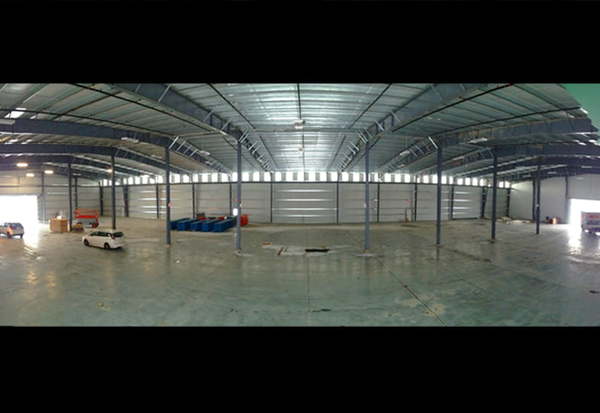
Do you need a clear span, with a wide space free of posts, columns, and load-bearing poles? As opposed to wood-framed buildings which require frequent posts and columns, steel buildings allow for much larger open spaces on the inside. So, a steel warehouse is an excellent option for industrial applications and warehouses requiring sizable equipment and machinery inside. This is partly what makes steel the material of choice for airplanes hangars and sports venues, both of which require large open spaces.

The fewer columns and support beams you have, the more you can maximize the use of floor space. It’s also easier to navigate vehicles and equipment within an open warehouse, improving the efficiency of day-to-day activities. As inventory and equipment needs change, the spacious flooring and tall ceilings accommodate easy adaptations inside. Plus, extra-wide openings allow quick access when moving inventory and machinery on or off the site.

Advantages of Pre-engineered Steel Buildings - Low Maintenance Warehouse

Steel Warehouse Security

The contents inside your metal warehouse are critical for the livelihood of your business. The building acts as a layer of protection to avoid damage and theft of inventory, helping to reduce the risk of harm or loss to your company. Steel buildings are inherently secure, and additional security features are always available for custom installation.

Additionally, steel warehouses can accommodate personalized security, such as CCTV cameras. Since the inside of the warehouse is open and expansive, the maximum field of view is available without columns blocking sightlines.

Quality Steel Warehouses from a Trusted Provider

If you are looking for your next steel warehouse, then Norsteel Buildings has you covered! We offer prefabricated and customized steel building packages and will work with you to ensure your building design matches your organization’s specific needs.

If you’d like to learn more about available products and services, then feel free to contact us at your convenience. We’re here to answer your questions and help select the optimal steel building design for you: 1-866-971-7575.

How Long Do Steel Buildings Last?

Did you know that buildings have a “life expectancy?” If you are going to build a new structure on your property, then make sure that you are investing in a design and the right type of materials that will stand the test of time. Whether it’s a small shed or large manufacturing plant, the building must hold up against weather conditions and other factors that can cause wear and tear.

Why bother putting time and money into the construction of a building if it will only last a few years? During the design process, evaluate how the building will be used which will help you determine the right materials to ensure steel building longevity.

Your choice of materials is one of the key factors that will affect the lifespan of the building. As you are finalizing design details, compare the durability and maintenance requirements for steel buildings, plastic sheds, wood buildings, and more.

Longevity of Steel Buildings

How long do steel buildings last? A well-built structure with quality materials can easily last more than 50 years, depending on the use of the building over time. If you want to ensure the lifespan of the building, then it’s essential to choose quality materials that withstand seasonal damage.

Steel is an excellent choice for building materials if quality and durability are your priority. But, not all steel buildings are created equal. Consider these factors that can affect how long steel buildings last:

  • Design: A well-built steel building helps to minimize wear and tear. For example, when the building includes features that manage water flow and protect the building joints, it’s likely that the steel building will have a longer lifespan compared to a building with poor design. How long do prefab buildings last? With a good design, they can hold up just as long as a custom-designed building.
  • Use: If you are rough on the building, you can expect wear and tear to show more quickly. Manufacturing with chemicals inside the building can take a toll over time because of the corrosion that can affect the steel. However, if you’re only using your steel building as a storage shed, for example, your building will last longer than manufacturing buildings because there isn’t as much wear on the steel.
  • Location: Local climate patterns can affect the durability of the building. For example, areas with heavy snowfall require extra maintenance because of the weight of the snow on the roof. Also, steel frame buildings in coastal climates can wear out more quickly because of the air’s humidity and salt. Heavy industrialization in the area can take a toll on the building due to the high levels of pollutants in the air.
  • Maintenance: Steel doesn’t require a lot of care compared to other building materials. But it’s important to stay consistent with occasional maintenance-related tasks to extend the life of the building. Without occasional cleaning, maintenance, and repair work, damage to the building can occur because of rust, mold, and corrosion.

The optimal approach to ensure the durability of your building is to talk to a steel building expert about your goals. Our team can provide recommendations to ensure that your new building performs as needed.

How to Maintain a Steel Building

Inspect the building regularly to identify areas that require maintenance or repair work. Maintenance requirements vary depending on location because seasonal changes can play a role in the building’s durability. Consider these common recommendations for steel building maintenance:

  • Wall Pressure: Find anything that might be touching the walls of the building. You want to avoid unnecessary weight that might strain the building, such as equipment leaning against the wall.
  • Wall Contact: Avoiding undue contact is essential to prevent water from staying on the surface of steel buildings. Moisture is one of the most significant vulnerabilities that threaten the durability of the steel. Clean up the landscaping and other things that are coming in contact with the steel building.
Advantages of Pre-engineered Steel Buildings - Continuous Savings
  • Roof Limitations: Know the roof limitations so you know when snow needs to be cleared. If you think that the roof is reaching the weight threshold because of accumulated snow, then have a plan in place to clear the snow safely. It’s a good idea to check the roof during the warmer months as well because a buildup of muck and leaves in the rain gutters can cause undue wear and tear.
  • Regular Cleaning: Avoid rust and corrosion on steel buildings by cleaning off the grime and dirt that accumulates. Washing the steel panels regularly will keep the materials in top-notch condition. You can buy industrial cleaners designed for steel buildings or create a homemade solution using water and ammonia. Steel buildings should be cleaned every few months, inside and out. Ideally, your building should be washed a minimum of once a year to remove substances that could cause harm to the building.
  • Fresh Paint: One way to protect the building is by adding a fresh coat of paint. After the steel panels are washed thoroughly, add a quality exterior paint to act as an extra layer of protection against the weather elements.
  • Repair Work: Scratches and scuffs might seem like minor issues, but these points of damage can become weak points in the building. When the damage is continuously exposed to the weather, it can lead to corrosion and rust. Buff out the marks and be proactive about repairing any areas of damage.

Minor problems can start creeping in, which is why you need to be proactive with repairs and maintenance. These seemingly small tasks can go a long way to add years to the life of your building.

Steel Building Warranty

When you choose quality building materials, you can know that the building will stand firm for many years. Many manufacturers of steel buildings offer solid warranty coverage, including 40- and even 50-year structural warranties (depending on the type of building you construct).

This written guarantee ensures that if anything goes wrong with the materials, then repair or replacement is offered within a specific timeframe. Keep in mind that the warranty doesn’t necessarily last for the lifetime of the product and won’t cover every issue. Read about the available warranty when deciding on the type of steel building you’d like to construct.

At Norsteel Buildings, we’re committed to providing our clients with the best solutions in the steel building industry. If you’d like to learn more, then contact us to talk to an industry expert. We pair you with a building consultant for personalized recommendations about the specific products and materials that will best suit your needs. We’re proud to be a leader in the steel building industry: 1-866-971-7575.

How Much Do Steel Buildings Cost?

If you are considering adding an additional steel building to your property, then one of the first questions to ask is: how much do steel buildings cost? It’s essential to know your budget when choosing the right plans and materials for your building.

Total cost can vary, and really depends on a variety of factors. Simply put, there isn’t an easy answer or a general price one can reference for steel buildings without first having specific information about the project. This question is too broad to answer without more details like location, size, design, and features. Here are a few things that can affect your steel building cost:

Cost of Steel Building Materials

While many factors determine the cost of your prefabricated steel building, these expenses fall into two categories: materials and labour. Materials will be one of your most significant expenses, but – unless you consider yourself a handy person – there will likely be additional labour expenses for hiring a contractor to assemble the building.

One of the most cost-effective ways to construct a steel building is by purchasing a kit. A premanufactured kit comes with everything you need for construction and assembly, including beams, anchor bolts, framing, roof purlins, door frames, trim, optional insulation, hardware, and more.

Compare the cost of a customized building to a prefabricated kit, and you’ll see that the kit saves quite a bit of money on the final price. Since the manufacturer can replicate the same equipment for multiple customers, they can drop the price on materials and design.

One of the benefits of steel is that metal tends to be more affordable compared to other popular building materials. If you are on a tight budget, then you’ll likely find that metal meets your goals for both affordability and durability. If you are choosing materials based on price alone, then steel buildings are often the clear winner.

Steel vs. Wood

Even though steel tends to be a bit cheaper than wood, there are pros and cons to this decision. For example, wood offers a lot of options for customization. Also, if you dedicate time and effort to maintenance then wood can hold up over time without having to worry about corrosion or rust. On the other hand, metal is superior because it requires far less maintenance to ensure longevity.

Ultimately, it’s important to consider your priorities when choosing building materials. If you want to save money and minimize maintenance, then metal is the clear choice. Click here to read our blog on metal vs. wood buildings.

Cost of Labour

Once you’ve compared material pricing, also consider the cost of labour and installation. Smaller steel building kits can often be assembled following the DIY instructions from the manufacturer. Either you’ll need to invest the time to put the building together, or you will need to hire help to assist after the materials arrive on site.

For larger steel buildings, it may be necessary to hire a contractor to assist with assembly. Since most manufacturers offer materials only, you will need to bring in the labour to put these materials together.

If you are looking for a local contractor, then our team can assist in helping you find an experienced provider in your area.

Labour costs

Most contractors charge based on a cost per square metre. The price per metre depends on the finished size of the building. As a general rule of thumb, the cost of larger finished buildings tends to be less per square metre than a small or average-sized building. These labour costs can be eliminated completely if you choose to build the structure yourself.

Optional Add-Ons

A variety of accessories and add-ons can also increase steel buildings cost. Sometimes, these add-on costs can increase the price as much as 20 – 30%. These are some of the expenses you might pay:

  • Delivery: Ask the steel provider if delivery is built into the pricing, or if you will pay an additional fee for the materials to be dropped at the job site. Often, delivery is calculated based on distance from the supplier or manufacturing site.
  • Foundation: Does your steel building need a foundation? Nine times out of ten this is the case, in which case you will face additional costs to lay the foundation before the building is assembled.
  • Windows and Doors: The placement of windows and doors can increase the cost. For example, it’s common for a basic steel building without windows to cost less than a building with many windows. Also, the type of doors (including walk doors and roll doors) will affect the price.
  • Insulation: Insulation is often available as an optional add-on from the supplier, which will increase the overall cost. These materials are designed to slow heat transfer and help to maintain your desired indoor temperature.
  • Vents: Depending on the use of your steel building, it might be necessary to add extra ventilation features. For example, buildings used for manufacturing and equipment often need to maximize ventilation for safety.
  • Gutters and Downspouts: It’s essential to have an excellent system to manage snow and rain runoff. These features help with routing the water to minimize damage and wear on the building.

As with any type of construction, the success of the project is in the details. It’s vital that you evaluate your long-term goals when choosing accessories, add-ons, and design features for your project.

Customized Solutions for Steel Buildings

At Norsteel, we offer cost-effective quality solutions for steel building construction. If you’d like more information about how much steel buildings cost, then contact our knowledgeable team any time. You can speak with a building consultant to learn more about available materials and services. Then, we’ll finalize your order and deliver the building for construction on your site.

We offer a personalized experience for our clients, including building customization, information about the building and permit process, and anything else you need to ensure the success of your project.

To learn more, reach out to our expert team at Norsteel Buildings. Contact us to discuss your needs for the project so we can provide recommendations and pricing estimates: 1-866-971-7575.

Choosing the Right Material For Your Mini Shed

If you don’t have enough storage space or need a separate workspace, adding a small shed can be a great solution. Building a mini shed is an excellent investment for both homeowners and business owners. But it’s important to learn about the industry so you can invest in a shed that will hold up for many years.

Storage sheds come in a variety of shapes and sizes, with the option to custom-design the specs to match your unique needs. There are many online resources with blueprints and building instructions, but it can be costly and time-consuming to build a shed from scratch. Instead, many people find it easier to purchase a mini shed and either install it themselves or have a contractor do it.

With the right team, your mini shed can be installed in half the time of a conventional build. First, you will need to select the materials, colours, and design features for your new shed. Our team will then deliver all the building materials so you can get started on your shed right away!

Pros & Cons: Plastic, Wood, and Metal

As you learn more about the industry, you’ll find sellers who offer sheds in various materials: plastic, wood, and metal. The materials you choose will have a long-term impact on the performance and durability of the structure. So, take a bit of time to research your options before finalizing the design of your mini shed.

Here are a few things you need to know about these common materials:

Wood Sheds

Wood is the traditional material used for mini sheds. When homeowners choose a DIY approach, they often choose wood because it’s easier to work with when someone doesn’t have formal training in the industry.

The outside of a wooden shed can be painted and designed to make it stylish. Often, the goal is to match the appearance of the shed to the colours and design themes on other main buildings on site. Inside, wood sheds have exposed beams and an unfinished appearance.

Even though wood is versatile, there are some notable drawbacks to using this material for mini shed construction. For example, wood can attract insects and be challenging to clean if nests or infestations occur. Additionally, wood is vulnerable in harsh weather, resulting in deterioration and rotting that can happen over time. The risk of rotting is higher if the shed is improperly built or designed with low-quality materials.

It’s necessary to repaint a woodshed regularly since the paint will fade and peel over time. This restoration process can be time-consuming, requiring that the exterior surface of the shed be sanded and re-painted, every few years.

Wooden Shed

Plastic Sheds

Materials used for plastic sheds include vinyl, resin, or high-density polyethylene. These materials are typically lighter in weight compared to wood and metal, but the plastic can be strong and durable in all weather conditions. Sometimes, plastic sheds are reinforced using double-wall construction and integrated steel supports.

The advantage of plastic over wood is that the materials require little maintenance. You don’t need to worry about rusting or rotting because of weather conditions. Also, there is no need to paint or refinish the surface. The plastic is built to last, ensuring long-term durability for many years. Over time, the sunlight can deteriorate the plastic, causing the surface to fade and crack.

One drawback of a plastic mini shed is that the plastic can’t hold much weight hanging from the ceiling or walls. Some people don’t like the appearance of these sheds because the plastic looks more like a “playhouse” than a functional structure.

Plastic Shed

Metal Sheds

Metal is a great choice if you are looking for a material that meets all requirements for durability and quality. One of the most notable benefits of metal is that these sheds offer better security than the features offered with wood or plastic sheds.

Metal sheds are a smart investment because the material outlasts wood and plastic. Metal stays strong in all weather conditions, is fire resistant, and requires little to no maintenance. Additionally, solid construction ensures that metal sheds are rodent-proof and insect resistant. You don’t need to worry about potential damage to the shed walls because of insect infestations.

Keep in mind that there is a big difference in the quality of a cheap metal shed kit compared to the services offered by a more professional team like Norsteel. Cheap kits come with thin panels that often corrode over time. On the other hand, high-end metal sheds are made with rigid, strong metal that is corrosion-resistant.

Higher grade metal sheds offer security and quality that is unmatched compared to other shed materials. If you want to protect your tools or equipment, then a metal mini shed is the industry’s top choice. This superior quality costs a bit more compared to cheaper alternatives in the industry. But the extra cost is an excellent investment because of the long-term durability that comes from a well-built mini shed.

Metal shed

Mini Shed Top Choice: Metal Materials

Metal storage sheds offer a variety of benefits that aren’t available from wood or plastic. At first, it might be tempting to invest in wood because of the lower upfront cost. But the long-term costs can add up for maintenance and repair work on wood sheds. Installing the right shed gives you the advantage of protecting your equipment and avoiding expensive repair or replacement costs in the future.

When you look at the overall value of this investment, it’s easy to see that metal is the material of choice for mini shed design. We offer pre-engineered steel that is designed to provide the best functionality and durability features that you need. The value and strength of these materials provide the lasting quality that you need in the future.

If you have questions about mini shed design, then Norsteel Buildings is here to help. We provide a personalized experience for our clients. Reach out to learn more about available building applications. You can contact us online or call if you have questions or comments: 1-866-971-7575.

Why You Should Choose Steel For Your Farm Building

The everyday rigors faced by those in the agricultural industry require strong, durable buildings and equipment. When you or your organization are equipped with the right tools and reliable farm buildings, your overall efficiency is improved which, in turn, allows you to maximize your profits and yield simultaneously.

As rustic and quaint as wooden farm buildings may appear, when it comes to strength, durability, level of maintenance, cost, and even looks, steel buildings should be at the top of your list for which building material to use for a new farm or agricultural structure. A new building is an investment, and like any smart investment you want to be sure that the new construction will have long-lasting benefits for you and your farm.

Considering Alternative Farm Buildings

Steel is one of the most popular choices for new farm building constructions, but there are pros and cons to other materials as well. While metal farm buildings are often a clear choice for reasons we’ll examine in a moment, there are situations where wood or Quonset farm buildings might be a better solution:

Wood Farm Buildings

The quintessential image of a red barn is iconic. These timber-framed buildings have been used for years for animal shelter, equipment storage, crop storage, and other purposes on the farm. Wooden buildings have a high-degree of aesthetic appeal, and are fairly customizable (for a price) at the beginning of construction (later additions to a wood building however, are a different story). But there are a few potential drawbacks of choosing an organic material for your farm building.

For example, wood requires a lot of maintenance to avoid damage from weather conditions. Scorching sun can beat down the protective paint and finish on the building’s exterior, leaving the wood exposed to rain and snow. Over time, the wood has a high risk of rotting and mold, which causes health concerns and threatens the structure’s integrity. Additionally, wood can make it challenging for pest control as some pests (i.e., termites) are actually attracted to wood!

Quonset Farm Buildings

Quonset farm buildings have the advantage of steel construction and, at smaller sizes, they often carry a cheaper price tag compared to the cost of a full rigid frame building. These prefabricated barns, huts, and storage buildings also utilize floor-space effectively, as they require few (if any, depending on the size of your building) internal columns.

However, even though they are built using steel, the design of quonset structures limits the maximum efficiency you can get out of one of these buildings. Steel is undoubtedly a strong building material, but the curved shape of a quonset building actually limits the height and width of your building. In addition, a rigid frame steel farm building can be built up and with multiple stories if so desired; a quonset building, by contrast, cannot have multiple stories and your vertical storage space is limited because of building limitations but also because of the curved roof (which makes it difficult to fit, for example, industrial-sized storage shelving into your building).

Beyond the unique look of quonset structures, there really aren’t that many benefits when compared to rigid frame steel farm buildings.

Why Steel is the Best Choice for Farm Buildings

Let’s examine some of the features of steel farm buildings, and why this material is the absolute best choice for your next agricultural structure.

Strength and Security

A metal barn stays strong in all weather conditions. Steel materials are naturally resistant to the effects of the elements, but when equipped with an optional layer of finishing, metal structures are highly resistant to sun, rain, wind, snow, and even seismic activity. The durability of the metal makes steel buildings a clear choice if you want a building that will last for decades to come.

Since steel is hard to penetrate, it helps to maintain the security of your farm. Keep expensive farming equipment and valuable livestock protected inside the walls of your steel farm building.

Many of an agricultural operation’s assets come in the form of expensive equipment that a farm relies on for its continued operation. Such equipment includes things like tractors, ploughs, trailers, back-hoes, harvesters, and balers. Without these machines, it’s near impossible to survive in the farming industry. Keeping these machines inside a steel structure reduces the risk of theft and also protects your heavy equipment against damage from the changing weather conditions throughout the year.

Steel farm building

Customizability

Every farm is different, which is why you require the ability to customize your buildings to accommodate the changing needs of your organization. Whether you need a well-ventilated building for livestock or are looking for a solution for storing product and feed, a metal farm building is easily customizable upfront and even years down the road when an expansion/addition to the building is required. Unlike quonset structures, rigid frame steel buildings can be designed specifically to meet the size, layout, and feature-requirements of your organization.

That iconic quintessential image of a red barn is actually very easily achieved with a steel building. Metal panels are available in bright red finishes as well as several other colours. Steel buildings allow for several customization options include roof accessories, personalised layouts, wall accessories, additional doorways, flashing and trim, insulation, clear-span designs, and multi-span frames. The possibilities are limitless.

And – they are expandable. As your farming operation grows, your metal building can grow with it.

Low Maintenance and Industry-Leading Warranties

Every hour you spend on building maintenance takes away time you could be spending on your fields or livestock. When you are investing in a farming or agricultural steel building, making sure you choose a solution that requires minimal maintenance is of the utmost importance.

A steel barn holds up in all weather conditions, ensuring durability and strength when the sun is shining, and the snow is falling. While you may have to perform minor periodic maintenance of some kinds – when compared to the maintenance required for wood buildings, steel is far and away the easier option (consider rot, mold, and other types of wear and tear that wooden buildings experience over time).

Plus, all Norsteel buildings come with industry-leading warranties, giving you additional peace of mind

Environmental Sustainability

Sustainability is a priority when building an agricultural steel building. Since steel is 100% recyclable and reusable, steel is the material of choice for environmentally conscious builders. In addition, steel buildings offer a number of construction-related environmental benefits: fast construction time reduces community disruption, reduced onsite waste, less pollution for heavy machinery, and a smaller job site footprint.

Not only does going green make you feel good, but it differentiates your farming operation by demonstrating a commitment to social responsibility. If you are looking for a way to give an excellent first impression, then steel buildings offer a great solution for your farm.

Affordability

For smaller farm buildings, you can choose from our line of EasyBuild steel building kits, and for larger or customized farm buildings we will work with you to design the perfect structure for your needs. Regardless of what size of building you require however, all of our steel components are prefabricated and pre-cut which keeps your building affordable and easy to install. The materials are fabricated before delivery, saving you money on material and labor costs since the steel will be ready to assemble once it arrives at your job site.

Other cost savings are enjoyed after the farm building is constructed. For example, you can expect lower insurance premiums and reduced maintenance expenses, saving tens of thousands of dollars over the life of the structure.

Customize Your Farm Building

What features are best for the design of a farm building? Speak with a member of our experienced team to learn Norsteel Buildings can help you design and construct the farm building of your dreams. We’ll discuss your plans for the building and provide recommendations for design, materials, and features.

Our knowledgeable staff members at Norsteel Buildings are happy to answer your questions and assist in identifying the optimal solutions for your farming operations. Contact us for a consultation using our online contact form or by calling: 1-866-971-7575.

Cool DIY Sheds To Add To Your Yard

We all need extra space for storage, recreation or both. Steel DIY sheds offer you an affordable storage and building solution that delivers both style and function for your backyard. Steel offers numerous structural, cost, and environmental benefits over wood – click here to read our blog on steel vs. wood structures – and can be easily modified or added to to achieve whatever look you’re going for!

DIY sheds come in all shapes and sizes; from simple outdoor storage sheds, to decorative and homey garden sheds that add to the aesthetic quality of your backyard. With a DIY steel building kit from Norsteel, you can get your structure set up in as little as a week without breaking the bank. With the basic framing and insulation complete, it’s just a matter of making your shed your own.

Check out some of these cool DIY shed ideas that you can add to your yard!

The Blank Canvas

The tried-and-true prefab metal shed is a perfect solution for the first-time DIYer. With all the structural benefits of steel, 12 wall colour and 6 trim colour options, a metal DIY prefab shed can offer you both style and function at a fraction of the cost.

Customization of your prefab DIY shed is easy too. We offer a number of optional accessories including insulation, gutters, downspouts, and interior liners, so you can easily add to the interior and exterior of your building after its been erected. Prefab metal buildings from Norsteel all come with at least one framed opening which can be used for a standard door, or for a garage door later on.

While we like to think our prefab buildings are perfect just the way they are, we understand that many of our customers might look at them as blank canvases on which they can create the building of their dreams. Whether you want to add wood or stone accents to the exterior, or completely renovate the interior space to make it livable, anything is possible with the basic steel prefab building in place.

Here are a few cool DIY shed ideas that can really expand the usable space of your backyard:

Prefab Steel Building Residential Garage kit

The Home Office

In light of the COVID-19 pandemic, many people are now working from home for a time – and some are staying remote forever! For those who don’t already have a home office, with a little creativity and extra work a DIY shed can serve as your backyard home office.

With a steel frame and a bit of customization, you can achieve a look similar to the one above. The building pictured here is built using a metal frame, with a sliding glass door and wood paneling added to the exterior for a unique look. On the inside, wood flooring and drywall have been added to make the office feel warm and inviting. The result is a sleek modern home office for the remote worker!

DIY sheds home office

The Man Cave

Maybe bringing the office home sounds like the exact opposite of what you’re after. If you’re trying to escape the daily grind, instead of bringing it home with you, maybe a backyard getaway is more your style? A DIY shed can just as easily be converted into a man (or woman) cave for you and a few friends to escape to on the weekends.

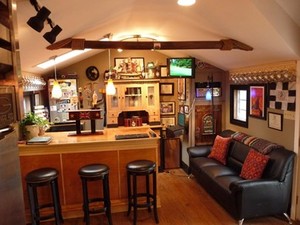
The backyard shed pictured here has been converted into a sport-watching, beer-drinking, backyard escapee’s dream! With a metal exterior and interior wooden framing, insulation, drywall, and warm hardwood flooring added to give it that homey feel, this same look could easily be re-created using a prefab metal building as the base of your structure.

DIY shedds man cave

The Backyard Studio

Maybe you’re looking for a more creative outdoor workspace? Thanks to the large framed openings available on many of our prefab metal buildings, turning a DIY shed into an artist’s studio with ample natural light is totally doable with one of our EasyBuild steel building kits.

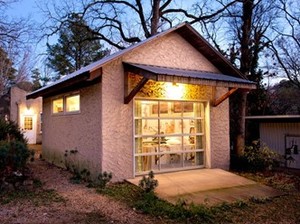
The artist’s studio pictured here is framed in wood and uses stucco to insulate and add some texture to the exterior. This same look can be achieved using a prefab metal building kit. Simply add a layer of metal netting between the metal exterior and the stucco to ensure that the stucco will adhere effectively to the exterior of your building.

But don’t worry, you won’t need stucco to achieve a livable outdoor studio. Thanks to our optional insulation packages, your new backyard studio space will be effectively insulated without any additional work or accessories. It’s really that easy.

DIY sheds backyard studio

The Tiny House

With just a little bit of space, you can create something big, bold, and surprisingly luxurious!

Creating a home away from home – or rather, a backyard mini-home – is easy with a DIY prefab building kit. Equipped with a kitchen, seating area, upper loft, and even a washroom, the tiny home pictured here pulls out all the stops to achieve a fully livable building. The addition of plumbing and a second floor push this building to new heights, as it truly becomes a backyard guest house.

DIY sheds tiny home

Prefab Metal Building Kits from Norsteel

Norsteel makes it easy to create a usable, visually interesting, and cool DIY shed for your backyard. From start to finish, we’re your expert partner in all things DIY construction.

Already have an idea for your backyard shed? Contact us today and one of our steel building experts can help you plan out the construction of your building. We’ll help you build an office where you can focus; a man cave you can escape to; a backyard studio where you can be creative; or even a tiny home where you can live.

Click here to contact us today. Let’s build something great together.

With a prefab steel building kit from Norsteel, your building will retain all the benefits of metal framing, exterior panelling, and roofing, while your interior will still be yours to customize and create.

Advantages of Steel Buildings: Savings Year After Year

ADVANTAGES OF PRE-ENGINEERED STEEL BUILDINGS​

​Pre-engineered Metal buildings provide customers with savings, year after year.

15. Ask and you Shall Receive

The advantages of choosing a Pre-engineered Metal Building solution continue to accumulate year after year.

Consider that prefab steel buildings are energy efficient because they are excellent insulators for both heat and cold. The insulating properties of steel will keep the heat from escaping from your building during the winter. Also, the roof on your steel building will reflect the sun. In the summer, this deflection reduces the cooling load on the steel building which reduces cooling costs. This energy-efficiency is one way that a pre-engineered metal building will continue to provide you with savings year after year.

​Another way that prefab steel buildings save money relates to maintenance. A typical prefab metal building system, with pre-finished metal panels and screw-down galvalume roof, costs very little to maintain. Metal surfaces are easy to clean, and the modern metal finishes offer a superb resistance against corrosion, fading, and discoloration. Pre-engineered steel buildings don’t decay or decompose. Their columns don’t split or suffer damage due to rodents or insects. There is virtually no maintenance on a steel building, so there is very little to warrant future spending in terms of upkeep.

Advantages of Steel Buildings Continuous Savings
Energy Efficiency Thumbnail

Apart from continuous savings related to energy-efficiency and low-maintenance, steel buildings are recognized with an “A” fire rating. Many customers don’t realize that this non-combustibility factor can save them significant money on insurance premiums for the life of their pre-engineered steel building. Some Insurance Companies label steel framing as “Superior Construction” and offer discounts on insurance up to 35%. Customers are encouraged to check with their insurance carrier for more details on the possibility of these available annual savings.​

Closing Out

When comparing available construction options, we recommend that our customers consider all the factors.

This involves a broader scope comparison of all the costs as well as the potential savings. Comparing different building options should involve a complete understanding, considering not just the initial costs for site prep, materials and labour, but also the longer term costs of ownership – costs like maintenance, repairs, and insurance. Customers should consider how much value they place on safety and environmental friendliness as well.

When it’s all said and done, we believe you will recognize that choosing a prefab steel building will save you money – year after year.

Contact Us Today!

When you buy a building from Norsteel, we become your partner throughout the construction process. We work with you, or with your general contractor, to ensure that all your steel building requirements are met. Your project is our project, and we’ll be with you the whole way through.

For more information on specific metal building applications, click here to learn more about our line of products. If you have any questions or comments, click here to contact us today.